Choosing a stroller can feel overwhelming, especially as a new parent trying to balance your lifestyle, your baby’s comfort, and all the features people say you should care about. The key to choosing the right stroller is not finding the one with the most features, but finding the one that fits how your family actually moves through daily life.
Here at Kidsland, we’ve got you covered. As your trusted baby gear industry expert, we’re excited to share our stroller decision guide to help you find the ideal stroller for your family. We're here to support you every step of the way!
When you’re ready to compare models, you can explore our full collection of baby strollers to see features side by side and find the option that fits your needs.
Step 1: Start With Your Everyday Lifestyle
Your daily routine is the most important factor in choosing a stroller. Before looking at brands or designs, picture a typical week with your baby.
- City living: Easy steering, maneuverability, and compact size matter more than trunk fit.
- Driving often: Look for a stroller with a simple, one-handed fold and a trunk-friendly footprint.
- No car: Durability, suspension, and a roomy storage basket become essential.
- Frequent travel: A lightweight frame and quick fold make airports, hotels, and tight spaces easier.
Expert insight:
Your stroller should match your real movement patterns. The way you move through your day determines which features matter most.
Step 2: Think About Your Baby’s Age and Stage

Your stroller needs will change depending on whether you’re preparing for a newborn or planning for toddler comfort.
Newborn needs
- Full recline or bassinet-style seating
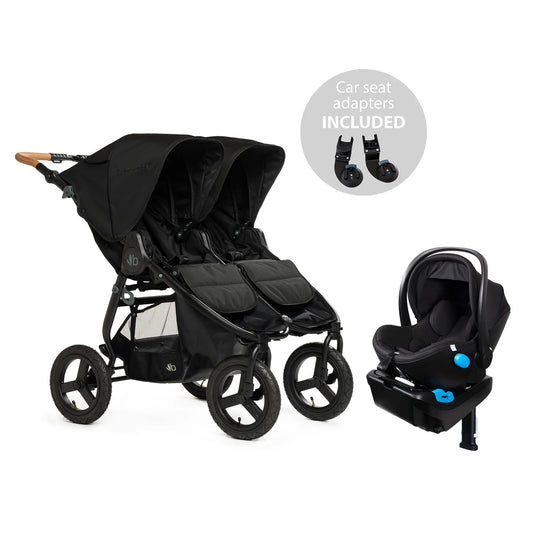
- Infant car seat compatibility
- Strong neck and spine support
- Deep canopy for naps and shade
Toddler needs
- Sturdy seat frame with room to grow
- Adjustable footrest
- Secure five-point harness
- Comfortable upright seating
Knowing your baby’s current stage helps eliminate options that won’t work safely or comfortably.
Step 3: Decide if You Need Car Seat Compatibility
Not every family needs a stroller that works with an infant car seat, but for some, it’s a major convenience.
A travel system is helpful if:
- Your newborn naps in the car
- You want easy car-to-stroller transitions
- You prefer one newborn-ready purchase
Adapters are helpful if:
- You already own a specific infant car seat
- You want flexibility across brands
This decision alone can significantly narrow your options.
Step 4: Plan for Family Size and Long-Term Use

If you plan to grow your family in the next few years, it’s worth thinking beyond the baby stage.
Consider a stroller that supports:
- Higher weight limits
- Stronger frames
- Multi-stage seating
- Modular seat directions
- Optional second seat or ride-along board
If your children will be spaced farther apart, a single stroller may be all you need. For closer age gaps, expandable designs can offer long-term value.
Step 5: Understand the Main Stroller Types
Once you know your lifestyle, baby stage, and future needs, stroller types become much easier to understand.
- All-purpose stroller: A reliable everyday option with smooth handling, solid storage, and comfort for longer outings.
- Lightweight or umbrella stroller: Easier to carry, fold, and maneuver in tight spaces.
- Travel stroller: Compact and convenient, often folding small enough for overhead bins.
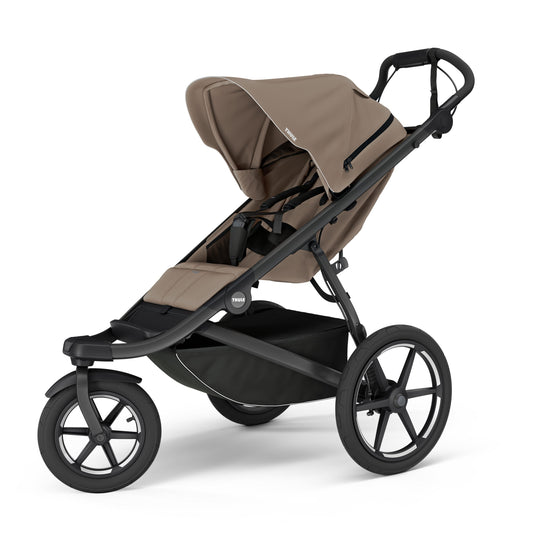
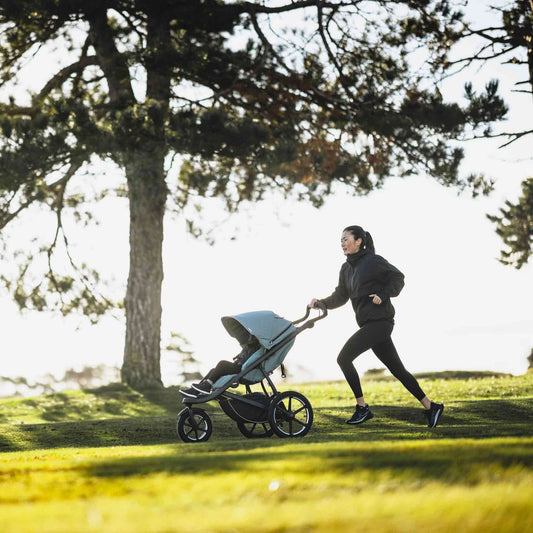
- Jogging stroller: Built with large wheels and suspension for rough terrain or faster movement.
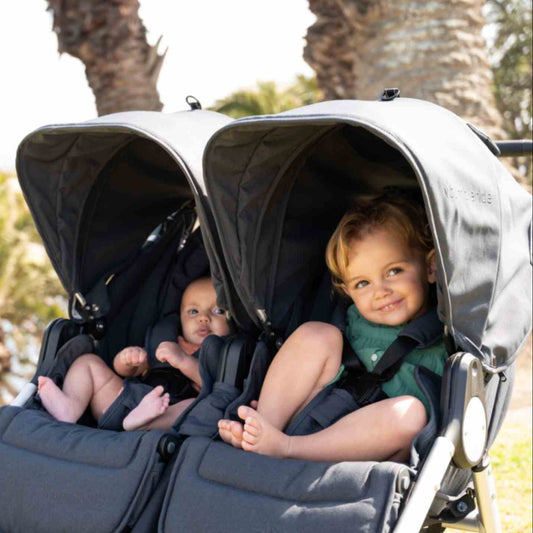
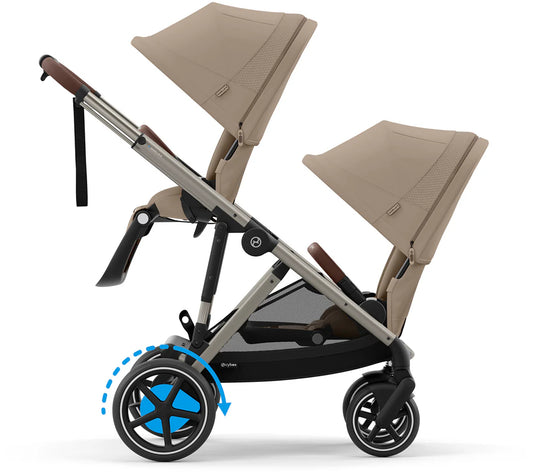
- Double stroller: Designed for twins or siblings close in age, available side-by-side or front-and-back.
- Convertible single-to-double stroller: Starts as a single stroller and expands as your family grows.
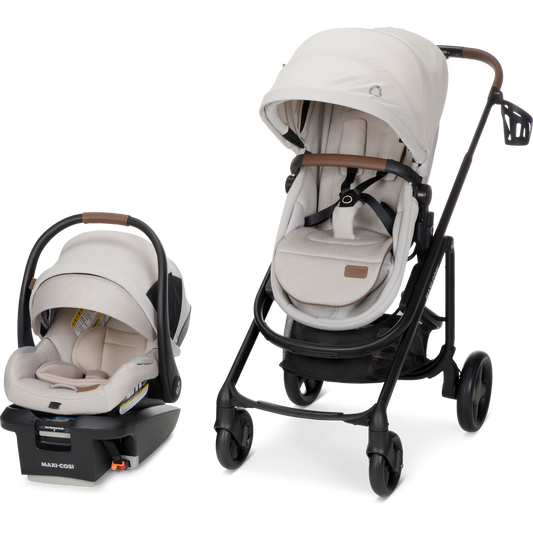
- Travel system stroller: Designed to work seamlessly with an infant car seat.
At this stage, most families naturally gravitate toward one or two categories.
Step 6: Prioritize the Features That Matter Most
Features should support your daily routine, not complicate it. Use this table to focus on what will actually make life easier.
|
Feature |
Why It Matters |
Good For |
|
One-handed fold |
Helpful when your hands are full |
Drivers, travelers |
|
Self-standing fold |
Keeps stroller upright when folded |
Small homes, city living |
|
Suspension |
Smoother ride on uneven ground |
City walking, parks |
|
Storage basket or XL basket |
Space for essentials or groceries |
All parents |
|
Recline options |
Comfortable naps and feeding |
Newborns and toddlers |
|
Adjustable handlebar |
Easier pushing for different heights |
Shared parenting |
|
Washable seat fabric |
Easier cleaning |
Everyday use |
Step 7: Set Realistic Budget Expectations
Stroller prices vary widely. Higher-priced models often include premium fabrics, stronger suspension, modular seating, and smoother handling. However, budget-friendly strollers can still meet everyday needs.
A good stroller does not need to be expensive. It needs to fit your lifestyle and feel easy to use.
Step 8: Use This Simple Checklist
Before deciding, ask yourself:
- Does it match our lifestyle?
- Is the fold simple and comfortable?
- Does it support both newborn and toddler stages?
- Is it easy to lift and maneuver?
- Is the storage roomy enough?
- Is it comfortable to push?
- Will it last more than a year?
- Does it fit our home or trunk?
If most answers are yes, you’re on the right track.
Choosing the Stroller That Truly Fits Your Family
The right stroller should make daily life easier, not more complicated. Once you understand how your routine, your baby’s stage, and your long-term plans shape your needs, choosing a stroller becomes far more manageable.
When you’re ready to explore options, browse our curated selections of single strollers, double strollers, and lightweight strollers designed for families that value comfort and convenience.
Frequently Asked Questions About Choosing A Stroller
What should I look for in a stroller as a new parent?
Focus on steering, fold style, weight, canopy size, and storage. These matter most during daily use.
How do I choose a stroller that fits my lifestyle?
Think about your weekly routine. City families need maneuverability, driving families need easy folds, and transit families benefit from lightweight designs.
Which stroller features are most helpful day to day?
One-handed folds, strong suspension, full recline, adjustable handlebars, and roomy storage make the biggest difference.
How do I know if a stroller is newborn-friendly?
Look for full recline, newborn-approved padding, or car seat compatibility.
What is the ideal stroller weight?
Drivers often prefer lighter models around 14–20 pounds. Walking families may prefer sturdier frames between 20–28 pounds.
Should I consider a travel system?
Yes, if your baby naps in the car often or you want a simple newborn transition.
How long should a good stroller last?
Most quality strollers last well into the toddler years when built with strong frames and multi-stage seating.
Can one stroller work for more than one child later on?
Yes. Many strollers allow for a second seat or ride-along board.
Which stroller is safest?
The safest strollers have a secure five-point harness, reliable brakes, and a stable frame.
![[Cedar] Nuna Triv lx + Pipa Aire Rx Travel System](http://www.kidslandusa.com/cdn/shop/files/Nuna_Pipa_Aire_RX_1-100kb.jpg?v=1787546608&width=533)
![[Cedar] Nuna Triv lx Stroller](http://www.kidslandusa.com/cdn/shop/files/26-018_TRIVlx_Cedar_US_callouts_2400x2400_2400x2400_f7cddfea-0380-41f7-9e0d-97d8d0f39da.jpg?v=1786089066&width=533)
![[White/Grey] Stokke Tripp Trapp Newborn Set Main Image](http://www.kidslandusa.com/cdn/shop/files/Tripp_Trapp_Newborn_Grey_2__43208.1546462421__68328.jpg?v=1748543800&width=533)
![[White/Grey] Tripp Trapp Newborn Bundle by Stokke](http://www.kidslandusa.com/cdn/shop/files/TrippTrapp_White_NewbornGrey_ACTIVE_ToyHanger_1-5_eCom__29804.jpg?v=1748543804&width=533)